The Replay Attack That Almost Cost Us Our Data
How replay attacks on capture endpoints can compromise your security posture.
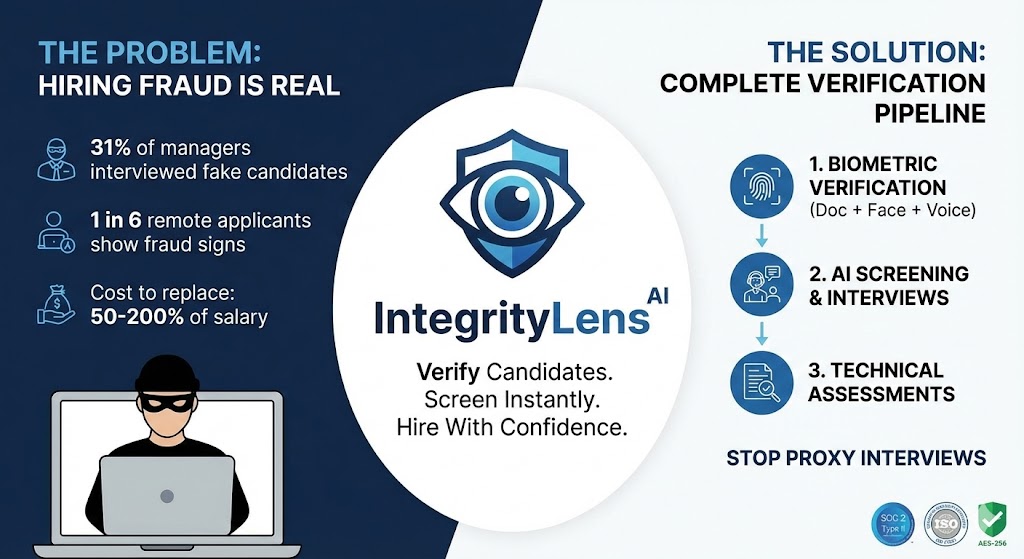
Replay attacks can compromise your entire security posture in an instant.Back to all posts
The Replay Attack That Almost Cost Us Our Data
Imagine this: your security system is compromised, and sensitive customer data is being replayed through your capture endpoints. This nightmare scenario could lead to severe regulatory fines and a massive loss of trust from your clients. Replay attacks can inject malicious data, potentially leading to compliance violations and brand damage. The stakes are high, and as an engineering leader, it’s your responsibility to ensure that your architecture can withstand these threats.
Why This Matters
Replay attacks exploit the very mechanisms designed to capture and verify identities—transforming them into attack vectors. They can occur when a malicious actor captures valid authentication data and replays it to gain unauthorized access. This not only jeopardizes your security posture but also exposes your organization to significant financial and reputational risks. The challenge lies in turning your security posture into automated, testable controls that can adapt to this evolving threat landscape.
How to Implement It
To effectively mitigate replay attacks, a multi-faceted approach is necessary. Start by implementing automated liveness detection protocols across all capture endpoints. This will ensure that only genuine interactions are processed. Next, conduct quarterly red-team exercises to simulate potential attacks and identify vulnerabilities in your systems. These exercises should focus on both the technical and procedural aspects of your security measures, allowing you to refine your response strategies. Integration of continuous monitoring tools is essential. Utilize observability platforms that can track anomalies in real-time, enabling your team to respond swiftly to suspicious activities. Regular CI checks should be implemented to ensure that your security controls are functioning as intended. These checks will also help in maintaining compliance with industry regulations and standards.
Key Takeaways
Key insights to take away from this discussion include the importance of regular testing and the integration of automated verification processes. Always ensure that your capture endpoints are equipped with the latest security features and are regularly updated to defend against new threats. A proactive approach to security will not only protect sensitive data but also instill confidence in your stakeholders.
Key takeaways
- Replay attacks can lead to data breaches and compliance failures.
- Automated verification can significantly reduce risks.
- Regular testing and CI checks are essential for a robust security posture.
Implementation checklist
- Implement automated liveness detection for capture endpoints.
- Conduct quarterly red-team sessions to identify vulnerabilities.
- Integrate continuous monitoring tools to catch suspicious activity.
Questions we hear from teams
- What are replay attacks?
- Replay attacks occur when valid authentication data is captured and reused to gain unauthorized access to systems.
- How can I prevent replay attacks?
- Implement automated liveness detection, conduct regular red-team exercises, and integrate continuous monitoring tools.
- What metrics should I track for security effectiveness?
- Track metrics such as false acceptance rate (FAR), false rejection rate (FRR), and mean time to detect (MTTD) anomalies.
Ready to secure your hiring pipeline?
Let IntegrityLens help you verify identity, stop proxy interviews, and standardize screening from first touch to final offer.
Watch IntegrityLens in action
See how IntegrityLens verifies identity, detects proxy interviewing, and standardizes screening with AI interviews and coding assessments.