The Voice Cloning Threat That Could Derail Your Hiring Process
Addressing localization in voice and document capture is essential to mitigate risks and enhance candidate trust.
Localized capture systems are not just a feature; they are essential for building trust in today's diverse hiring landscape.Back to all posts
The Voice Cloning Threat That Could Derail Your Hiring Process
In the high-stakes world of hiring, a single misstep can lead to catastrophic outcomes. Imagine a candidate successfully impersonating a top applicant using a voice cloning attack, leading to a costly hiring decision. The fallout? A damaged reputation, wasted resources, and even potential legal ramifications. As engineering leaders, the stakes are high: you must safeguard your hiring pipeline against such threats while also ensuring a swift, seamless candidate experience.
Why Localizing Voice and Document Capture Matters
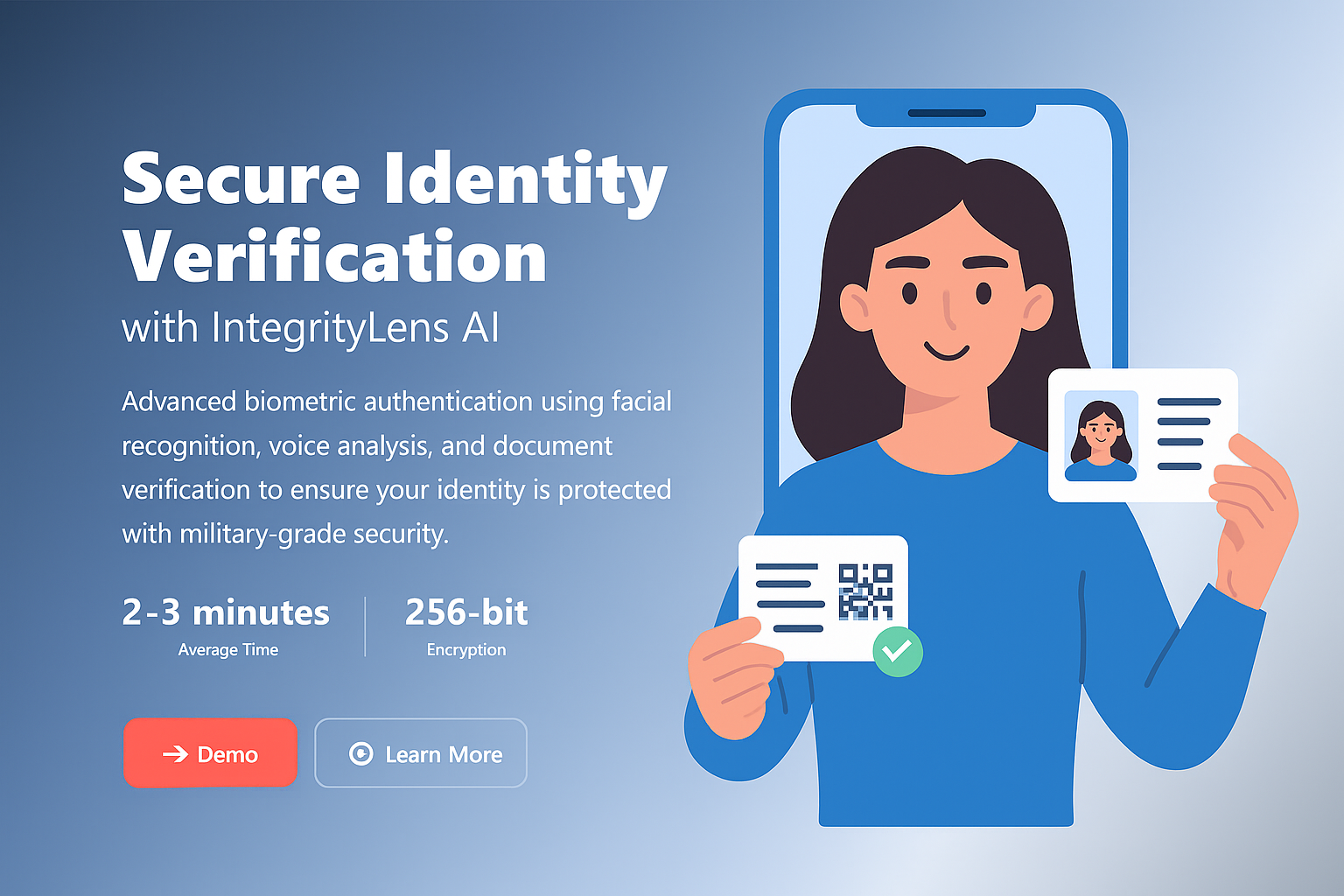
The essence of building trust in the hiring process lies in your ability to authenticate candidates effectively. Localizing voice and document capture systems is not merely a feature—it's a necessity. As organizations expand globally, your hiring tools must adapt, ensuring that candidates from different backgrounds feel secure and understood. This not only mitigates risks associated with fraud but also enhances overall candidate satisfaction, measurable through CSAT scores.
How to Implement Localized Voice and Document Capture
To implement effective localization, start by setting up a robust framework that supports multiple languages and accessibility needs. Assess your current voice and document capture systems—are they equipped to handle diverse formats and nuances? Collaborate with language experts to ensure your verification processes are not just accurate but also culturally sensitive. Regularly gather feedback from candidates to refine these systems, ensuring they meet accessibility standards and are user-friendly.
Key Takeaways
Implement localized voice and document capture to enhance candidate trust. Measure CSAT to assess the effectiveness of your verification methods. Utilize recovery paths for common failure modes to ensure a smooth process. Regularly review your metrics to identify areas for improvement, ensuring your hiring process remains agile and responsive to candidates' needs.
Key takeaways
- Implement localized voice and document capture to enhance candidate trust.
- Measure CSAT to assess the effectiveness of your verification methods.
- Utilize recovery paths for common failure modes to ensure a smooth process.
Implementation checklist
- Ensure voice capture systems support multiple languages.
- Implement document verification tools that account for various formats.
- Regularly test your systems for voice cloning vulnerabilities.
Questions we hear from teams
- How can I ensure my voice capture system is secure against cloning attacks?
- Regularly update your voice recognition algorithms and conduct vulnerability assessments to identify and mitigate risks.
- What metrics should I track to measure the effectiveness of my localized systems?
- Focus on conversion rates, completion times, and CSAT scores to gauge the success of your localization efforts.
- How can I improve candidate satisfaction during the verification process?
- Implement clear recovery paths for common issues and gather feedback regularly to refine the experience.
Ready to secure your hiring pipeline?
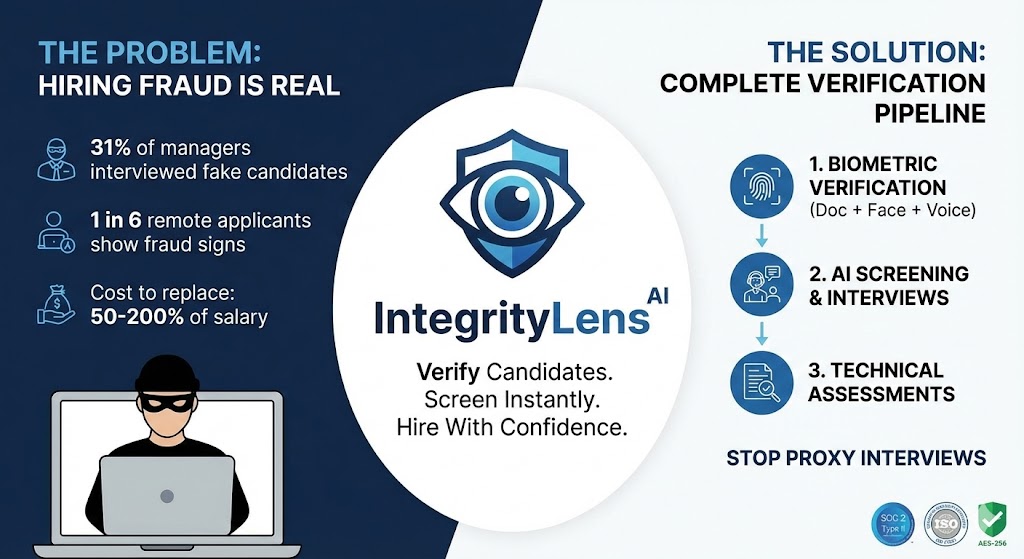
Let IntegrityLens help you verify identity, stop proxy interviews, and standardize screening from first touch to final offer.
Watch IntegrityLens in action
See how IntegrityLens verifies identity, detects proxy interviewing, and standardizes screening with AI interviews and coding assessments.