The Voice Cloning Attack That Almost Cost Us Our Talent Pipeline
How to operationalize real-time fraud scoring and auto-escalation in your hiring process.
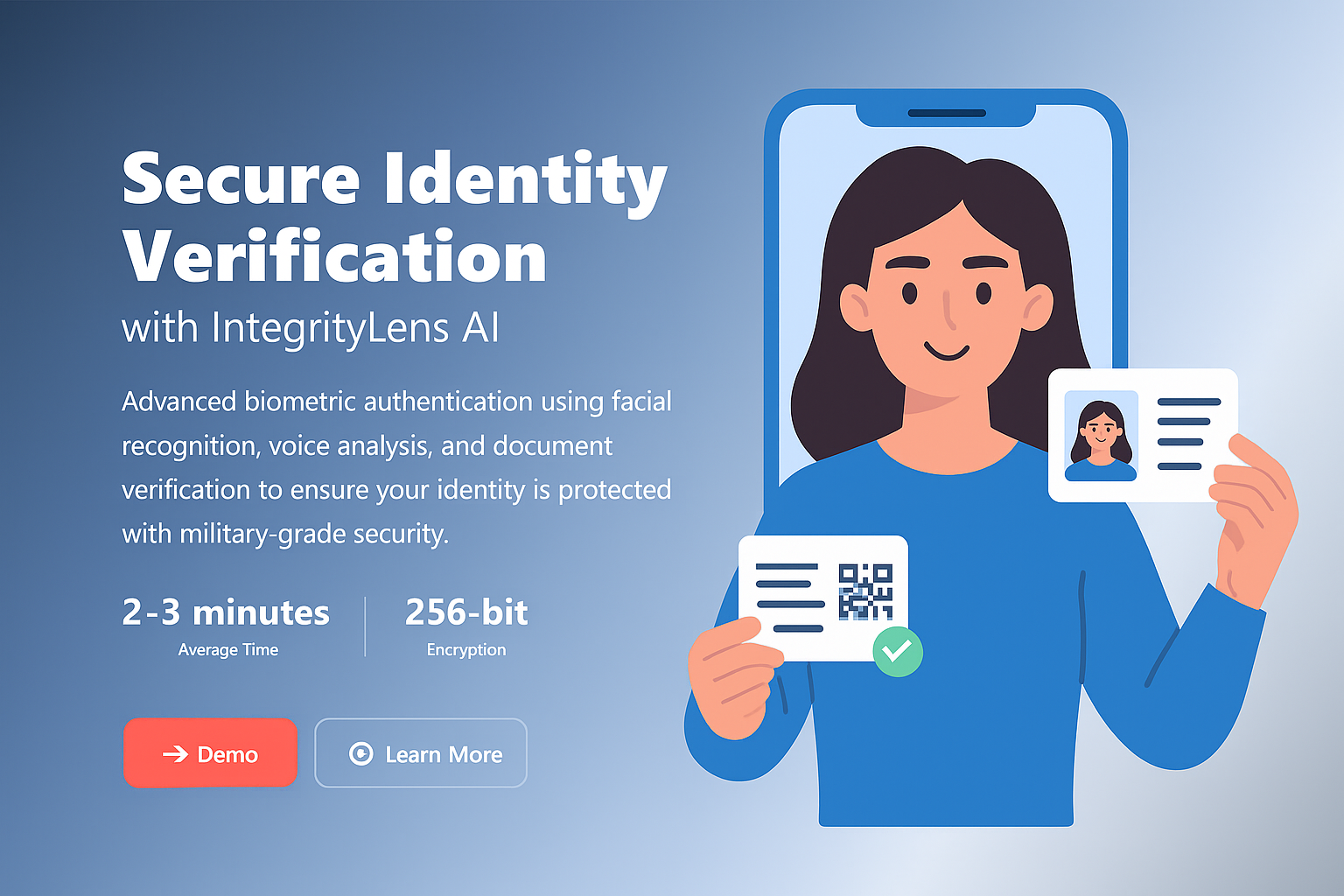
Real-time fraud scoring is your first line of defense against identity fraud in hiring.Back to all posts
The Voice Cloning Attack That Almost Cost Us Our Talent Pipeline
Imagine this: Your hiring process is running smoothly when suddenly, a voice cloning attack compromises your candidate verification system. The result? A fraudulent hire that not only costs you time but also damages your brand reputation. This scenario is more common than you may think, and the stakes are high. Companies that fail to adapt their hiring processes expose themselves to significant risks, including financial loss, compliance issues, and reputational damage.
Why This Matters
For engineering leaders, the integrity of your hiring process directly impacts your organization's success. A single fraudulent hire can lead to cascading effects: operational inefficiencies, loss of customer trust, and even legal repercussions. In today's digital landscape, it's imperative to stay ahead of these threats, particularly as technologies like voice cloning become more sophisticated.
How to Implement It
Step 1: Integrate anomaly detection tools that monitor for capture signals and voice mismatches. Ensure these tools are calibrated to your specific needs, setting thresholds that trigger alerts based on your historical data. Step 2: Establish a decision tree for reviewer escalation. This should outline the steps for manual review, ensuring that your reviewers have a clear framework to follow when evaluating suspicious cases. Step 3: Train your team on evidence handling and ergonomics. Empower them to act swiftly and effectively when a fraud alert is triggered.
Key Takeaways
Real-time fraud scoring is essential for detecting anomalies quickly and efficiently. Establishing clear escalation protocols for manual reviews can significantly reduce risks. Utilizing decision trees will guide reviewers in evaluating suspicious cases effectively.
Key takeaways
- Implement real-time fraud scoring to detect anomalies quickly.
- Establish clear escalation protocols for manual reviews.
- Utilize decision trees to guide reviewers in evaluating suspicious cases.
Implementation checklist
- Set up anomaly detection for capture signals and voice mismatches.
- Create a decision tree for reviewer escalation.
- Train your team on evidence handling and ergonomics.
Questions we hear from teams
- What are the key signals to monitor for fraud detection?
- Key signals include capture anomalies, voice mismatches, and mismatches to ID.
- How can we train our team for effective evidence handling?
- Conduct regular training sessions that focus on the decision-making process and the tools available for fraud detection.
- What tools can we use for real-time fraud scoring?
- Consider integrating anomaly detection software that specializes in voice and identity verification.
Ready to secure your hiring pipeline?
Let IntegrityLens help you verify identity, stop proxy interviews, and standardize screening from first touch to final offer.
Watch IntegrityLens in action
See how IntegrityLens verifies identity, detects proxy interviewing, and standardizes screening with AI interviews and coding assessments.