The Proxy Problem: How Deepfakes and Replays Threaten Your Hiring Security
Engineering leaders must tackle the rising threat of deepfakes, replays, and proxy candidates to secure their hiring processes. Here's how to implement robust defenses.
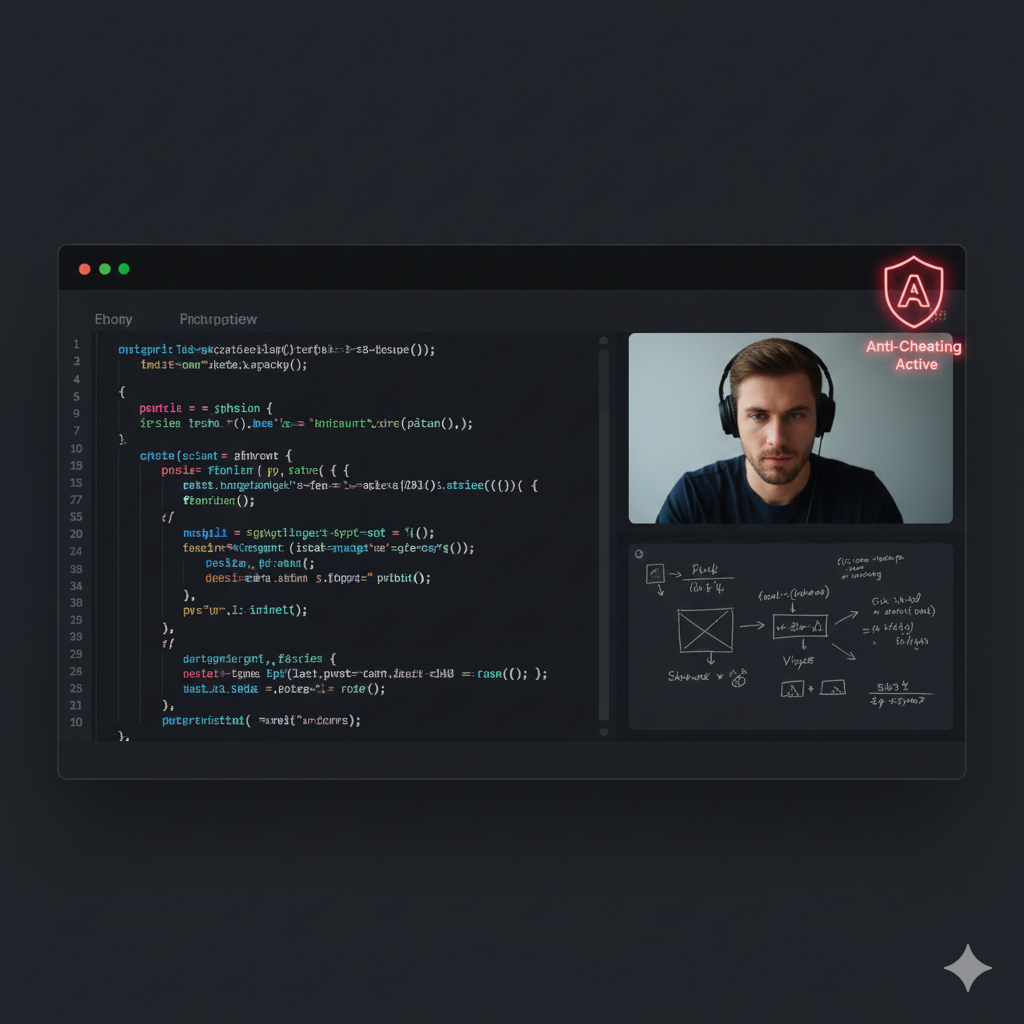
The threat of deepfakes and proxy candidates demands immediate action from engineering leaders.Back to all posts
The Proxy Problem: A High-Stakes Scenario
Your hiring process is under siege. Each day, sophisticated deepfakes and proxy candidates threaten to undermine your team's integrity, costing you not just money but also trust. Imagine a scenario where a deepfake impersonates a qualified candidate, leading to a mis-hire that costs your company tens of thousands in wasted training and integration time. The stakes are high, and the risks are real. Engineering leaders must act now to implement robust defen
Why This Matters
Deepfakes and proxy candidates pose significant risks to hiring integrity. They can lead to mis-hires, compliance violations, and reputational damage that can take years to recover from. In today’s competitive talent landscape, ensuring that you are hiring the right candidates is paramount. The financial implications of a single mis-hire can reach into the hundreds of thousands, not to mention the impact on team morale and culture.
How to Implement It
Step 1: Set up liveness detection mechanisms to ensure candidate presence. Use real-time video analysis to require candidates to perform specific actions that demonstrate their presence, such as blinking or turning their head. Step 2: Implement device fingerprinting to track unique device identifiers. Capture data such as IP address, browser type, and device specifications to identify any discrepancies that may indicate a proxy candidate. Step 3: Utilize behavioral telemetry to monitor user interactions during assessments. Look for signs of unusual behavior that could signal fraud.
Key Takeaways
Always validate candidate authenticity through liveness detection and device fingerprints. Monitor user behavior to identify potential fraud with behavioral telemetry. Create response runbooks to ensure that your team can act swiftly when fraud is suspected.
Key takeaways
- Deepfakes and proxy candidates pose significant risks to hiring integrity.
- Implementing liveness checks and device fingerprints can mitigate these risks.
- Behavioral telemetry provides critical insights into candidate authenticity.
Implementation checklist
- Set up liveness detection mechanisms to ensure candidate presence.
- Implement device fingerprinting to track unique device identifiers.
- Utilize behavioral telemetry to monitor user interactions during assessments.
Questions we hear from teams
- What are the key technologies to combat deepfakes and proxy candidates?
- Implementing liveness detection, device fingerprinting, and behavioral telemetry are crucial technologies to ensure candidate authenticity.
- How can I ensure my team is prepared to handle flagged candidates?
- Create clear response runbooks detailing evidence collection and review processes to streamline your team's response in case of suspected fraud.
- What metrics should I track to measure the effectiveness of these strategies?
- Track metrics such as false acceptance rate (FAR), false rejection rate (FRR), and the time taken to resolve flagged candidates.
Ready to secure your hiring pipeline?
Let IntegrityLens help you verify identity, stop proxy interviews, and standardize screening from first touch to final offer.
Watch IntegrityLens in action
See how IntegrityLens verifies identity, detects proxy interviewing, and standardizes screening with AI interviews and coding assessments.