The Proxy Candidate Dilemma: How to Fortify Your Screening Against Fraud
Combat the rise of proxy candidates and deepfakes with robust verification techniques.
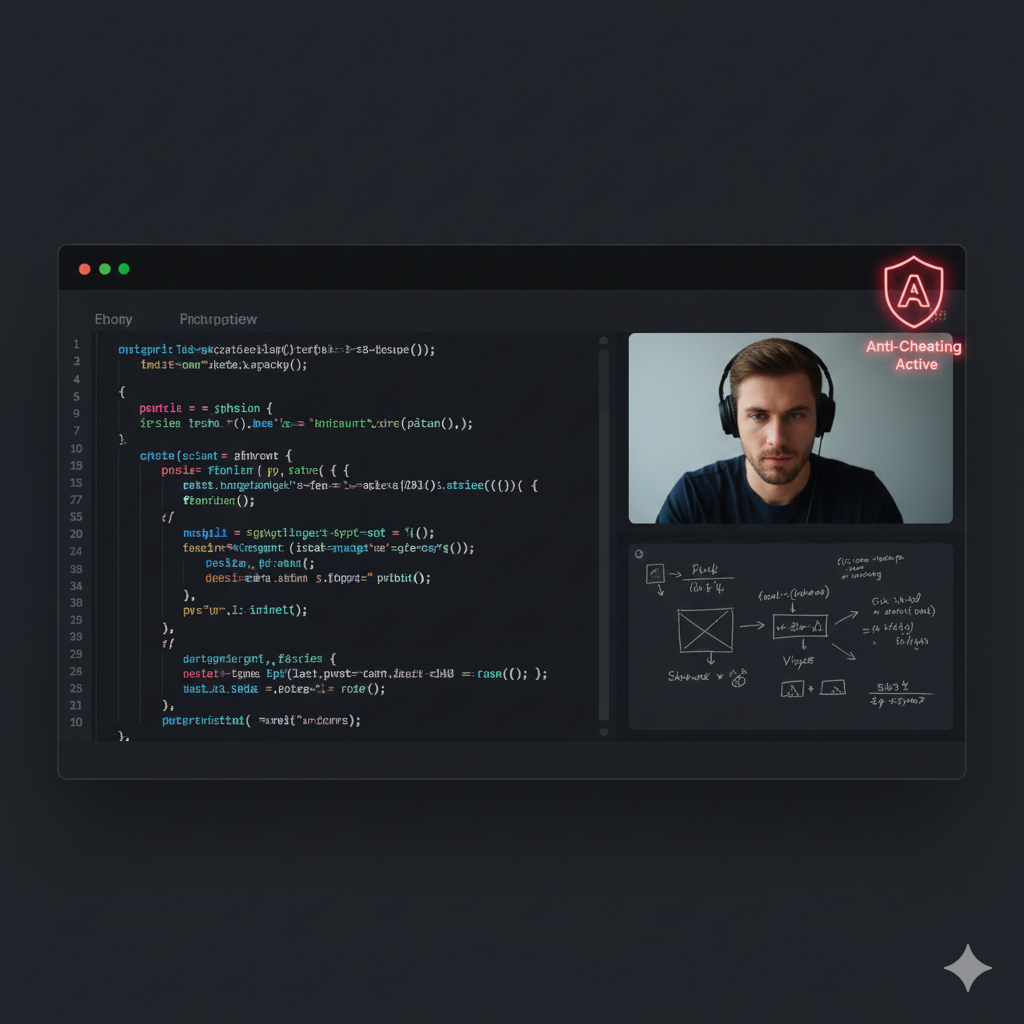
Combatting fraud in hiring is not just a necessity; it’s a strategic imperative.Back to all posts
The Proxy Candidate Dilemma
Imagine this: Your hiring process is compromised because a highly skilled proxy candidate aced the interview, only to reveal their fraud when onboarding. This scenario isn't just a nightmare; it can cost your organization thousands in lost time and resources, not to mention reput ational damage. With the rise of deepfakes and sophisticated impersonation tactics, engineering leaders face unprecedented challenges in ensuring candidate authenticity. Proxy candidates not only waste valuable interview time but also dilute the talent pool, leading to poor hiring decisions. In a competitive market, the stakes are high; a single fraudulent hire could trigger compliance issues and erode team morale. It’s time to fortify your hiri ng process with advanced verification techniques that can detect anomalies and protect your organization from fraud.
Why This Matters
For engineering leaders, the integrity of the hiring process is paramount. A compromised candidate evaluation can lead to significant financial losses and operational disruptions. The transition to remote hiring has made it easier for fraudsters to exploit weaknesses in tradition al verification systems. Thus, investing in robust anti-fraud measures is no longer optional—it’s essential. Deepfakes can easily mimic real candidates, while proxy test takers can game the system, leading to false positives in hiring decisions. By implementing liveness detection and device fingerprints, organizations can create a multi-layered defense against these threats, ensuring th at only qualified candidates make it through to the final stages of hiring.
How to Implement It
Capture Anomalies: Use advanced liveness detection systems that analyze biometric data in real-time, such as eye movement and facial expressions. Look for inconsistencies like a still face or unnatural movements that may indicate a deepfake.
Integration: Ensure that your liveness detection tools are seamlessly integrated into your ATS, allowing for easy access and monitoring during the interview process. Step 2: Integrate Device Fingerprinting
Track Devices: Employ device fingerprinting technologies to collect data on user devices during assessments. This can include browser type, operating system, and IP address.
Anomaly Detection: Set thresholds for device consistency. If a candidate switches devices or their fingerprint changes unexpectedly, flag this for review.
Monitor Interactions: Create a telemetry system that tracks user interactions during interviews, such as response times and engagement
Key Takeaways
Implement Multi-layered Verification: Use a combination of liveness detection, device fingerprints, and behavioral telemetry to create a robust hiring process. Train Your Team: Ensure that hiring managers and technical teams understand the tools and processes required to spot fraud effectively. Continuous Improvement: Regularly update your verification techniques to adapt to evolving fraud tactics, ensuring your hiring process remains secure and efficient.
Key takeaways
- Incorporate liveness detection to mitigate risks from deepfakes.
- Utilize device fingerprints for enhanced verification.
- Implement behavioral telemetry to identify anomalous patterns.
Implementation checklist
- Set up liveness detection systems to capture real-time biometric data.
- Integrate device fingerprinting tools to track user devices during tests.
- Develop behavioral telemetry frameworks to analyze user interactions.
Questions we hear from teams
- What is liveness detection and why is it important?
- Liveness detection verifies that the candidate is physically present during the interview, reducing the risk of deepfake and proxy candidates.
- How can device fingerprinting enhance my verification process?
- Device fingerprinting tracks unique device characteristics, helping to identify anomalies and flag potential fraudulent behavior.
- What metrics should I monitor for behavioral telemetry?
- Monitor response times, engagement levels, and any deviations from typical user behavior to identify potential fraud.
Ready to secure your hiring pipeline?
Let IntegrityLens help you verify identity, stop proxy interviews, and standardize screening from first touch to final offer.
Watch IntegrityLens in action
See how IntegrityLens verifies identity, detects proxy interviewing, and standardizes screening with AI interviews and coding assessments.