The Proxy Candidate Crisis: How to Secure Your Technical Screening
Preventing proxy interviews is critical for engineering leaders to ensure authentic evaluations and hiring precision.
Secure your technical screening process to avoid proxy candidates undermining your team's success.Back to all posts
The Proxy Candidate Crisis
Imagine a critical coding interview where a candidate is acing the test, only to find out later that they were using a proxy to cheat. This scenario could lead to hiring an unqualified developer, costing your team time and resources, and ultimately jeopardizing project deadlines. In today's competitive tech landscape, the stakes are high. Engineering leaders must ensure that their technical screenings are not just thorough, but also secure against proxy candidates who could undermine the integrity of the hiring process.
Why This Matters
The implications of proxy candidates extend beyond just hiring an unfit candidate. When these individuals slip through the cracks, the downstream effects can be disastrous: - Increased Turnover: Hiring the wrong candidate can lead to high turnover rates, costing companies an average of 1.5 to 2 times the employee's salary to replace them. - Team Dynamics: A proxy hire can disrupt team dynamics, leading to decreased morale and productivity. - Reputation Damage: Companies known for poor hiring decisions may struggle to attract top talent in the future. By implementing robust screening processes, engineering leaders can mitigate these risks and ensure they are building capable and trustworthy teams.
How to Implement It
- Continuous Re-Authentication: Integrate a system that periodically prompts candidates to confirm their identity during coding interviews. This could involve biometric checks or simple identity verification questions. Ensure that the technology you use is seamless and does not disrupt the interview flow. 2. Environment Controls: Define strict guidelines for the interview environment. For example, restrict candidates from using unauthorized tools or accessing external resources during coding tasks. 3. Reproducible Scoring: Develop a scoring rubric that allows for consistent evaluations across different reviewers. This framework should include clear criteria for assessing coding skills, problem-solving abilities, and technical knowledge. Implement tools that allow reviewers to document their evaluations in real-time, ensuring transparency and reducing bias. 4. Dispute Resolution Workflows: Establish clear processes for handling discrepancies in scoring. Encourage open communication among reviewers and provide guidelines on how to address concerns. This will not only improve the integrity of the
Key Takeaways
Continuous re-authentication is essential for maintaining the integrity of technical screenings. Environment controls help mitigate the risk of proxy candidates effectively. Reproducible scoring and dispute resolution workflows enhance the overall evaluation process, ensuring your hiring decisions are based on accurate assessments.
Key takeaways
- Implement continuous re-authentication to ensure candidate legitimacy.
- Establish environment controls to mitigate proxy risks.
- Utilize reproducible scoring to enhance evaluation consistency.
Implementation checklist
- Set up continuous re-authentication mechanisms during interviews.
- Define environment controls that restrict candidate access to unauthorized tools.
- Train reviewers on dispute resolution workflows for consistent scoring.
Questions we hear from teams
- What technologies can support continuous re-authentication?
- Technologies such as biometric verification tools, identity management systems, and secure video conferencing platforms can facilitate continuous re-authentication during interviews.
- How do I create an effective scoring rubric?
- An effective scoring rubric should clearly define the key criteria for evaluation, include sample answers, and allow for input from multiple reviewers to ensure consistency.
- What are the best practices for environment controls?
- Best practices include defining clear guidelines for the interview setup, restricting internet access, and monitoring candidate behavior throughout the interview.
Ready to secure your hiring pipeline?
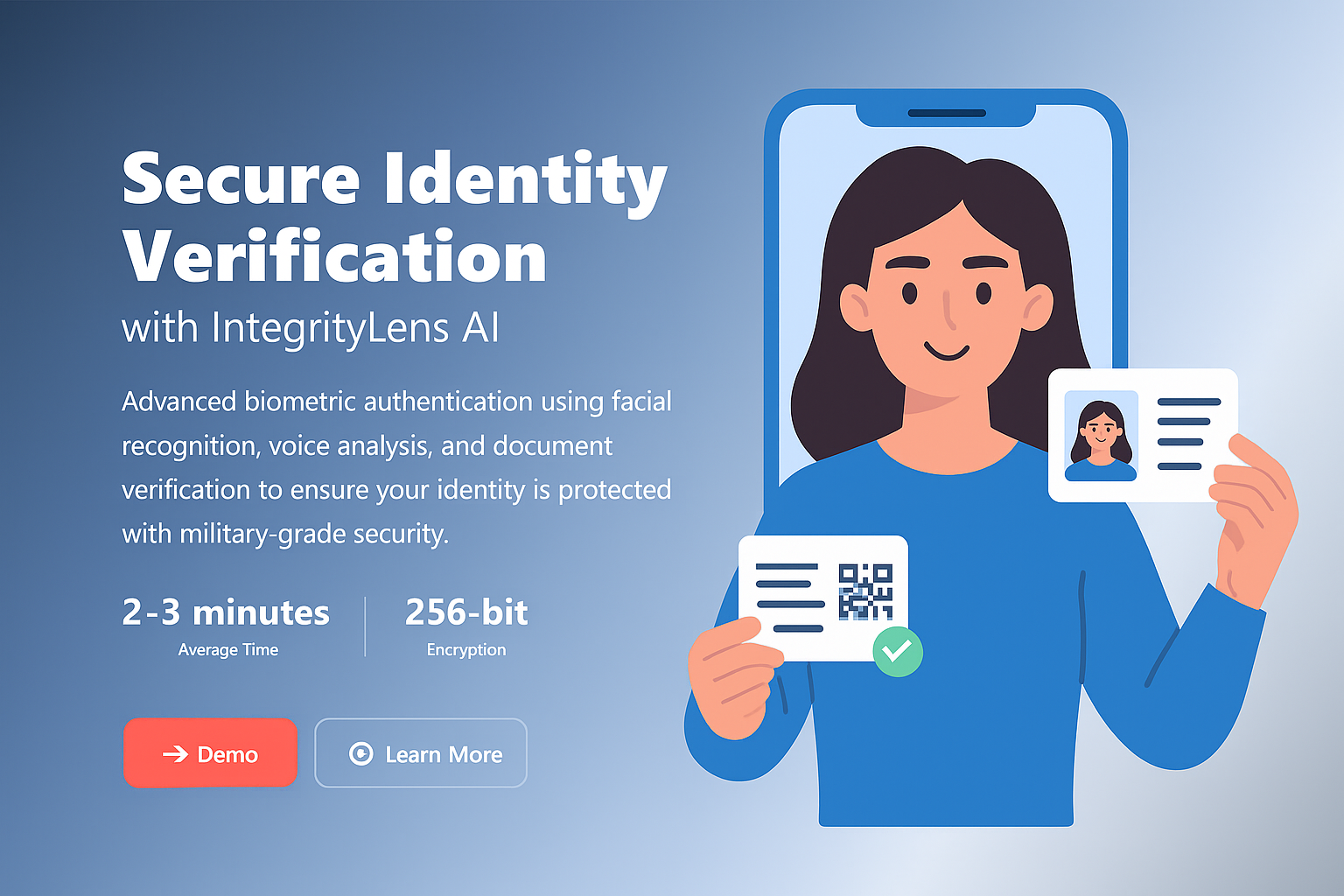
Let IntegrityLens help you verify identity, stop proxy interviews, and standardize screening from first touch to final offer.
Watch IntegrityLens in action
See how IntegrityLens verifies identity, detects proxy interviewing, and standardizes screening with AI interviews and coding assessments.