The Proxy Candidate Crisis: How to Secure Your Hiring Process
Integrate verification into your ATS/HRIS to combat the growing threat of proxy candidates and fraud.
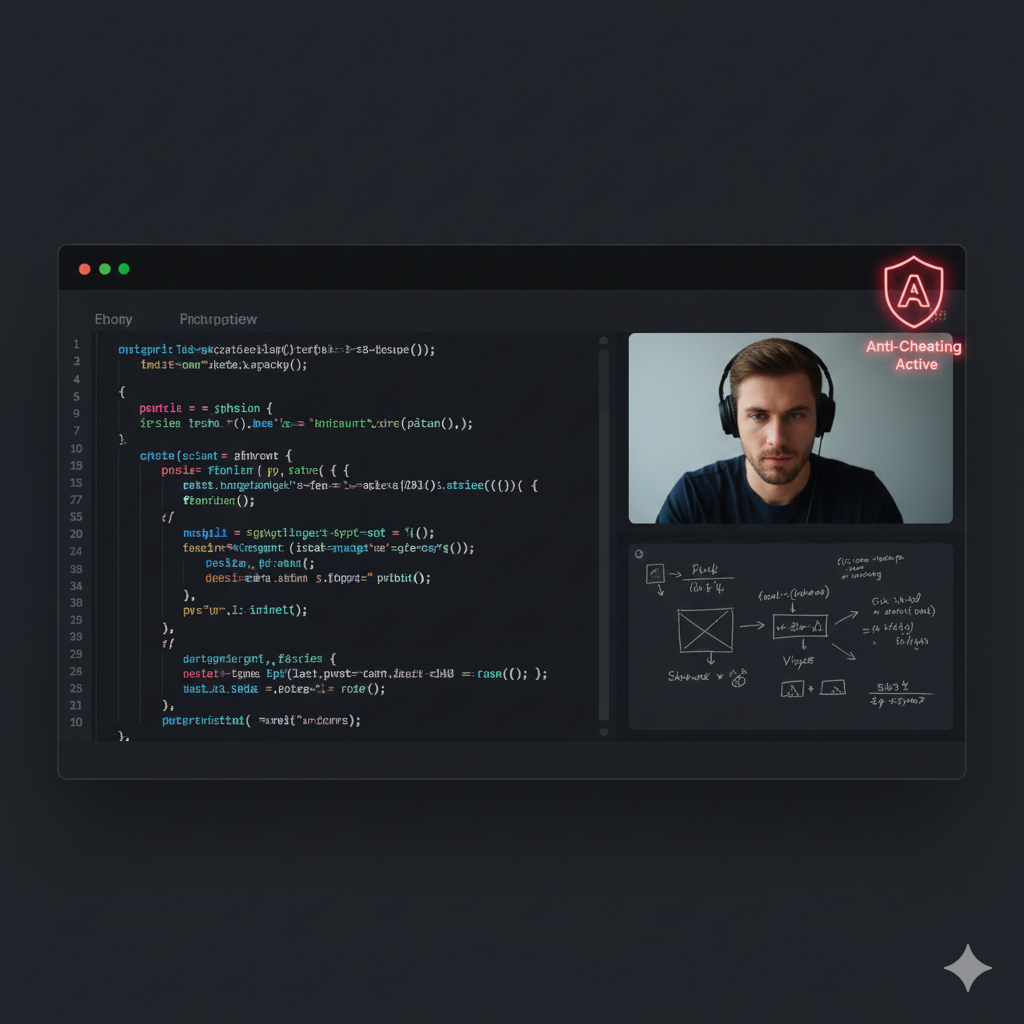
Integrate verification seamlessly into your ATS to combat proxy candidates and ensure hiring integrity.Back to all posts
The Proxy Candidate Crisis
Imagine a scenario where your hiring team interviews a candidate who seems perfect on paper, only to discover weeks later that they were a proxy—someone posing as the actual applicant. This situation not only wastes resources but also jeopardizes the integrity of your hiring. To combat this threat, integrating verification directly into your ATS/HRIS is essential. By leveraging webhooks, idempotent APIs, and event logs, you can create a robust system that verifies identities and tracks the hiring process.
Why This Matters
The rise of proxy candidates is not just a theoretical concern; it's a reality that many organizations face. According to recent studies, the fraudulent candidate rate has increased by over 30% in the past year alone. By integrating verification systems into your hiring workflows, you enhance both security and compliance, maintaining a trustworthy hiring pipeline.
How to Implement It
Set Up Webhook Endpoints: Define webhook endpoints in your ATS/HRIS that trigger on key candidate events.
Utilize Idempotent APIs: Implement idempotent APIs for verification requests to maintain data integrity.
Event Logging: Establish comprehensive event log
Design Rollback Mechanisms: Create rollback mechanisms for failed verifications to preserve data integrity.
Canary Rollouts: Use canary rollout strategies to monitor new verification integrations.
Key Takeaways
Always implement idempotent APIs to avoid data duplication and ensure reliable verification processes. Utilize webhooks to trigger real-time alerts for any anomalies in candidate verification. Design robust rollback and kill switch mechanisms for your verification services.
Key takeaways
- Implement idempotent APIs for reliable verification
- Utilize webhooks to trigger real-time alerts
- Design rollback and kill switch mechanisms for verification services
Implementation checklist
- Set up webhook endpoints for candidate events
- Define idempotent API calls for verification requests
- Implement event logging for all verification processes
- Establish rollback mechanisms for failed verifications
- Create canary rollout strategies for new integrations
Questions we hear from teams
- What are the risks of not integrating verification into my ATS?
- Not integrating verification can lead to hiring unqualified or fraudulent candidates, resulting in wasted resources and potential reputational damage.
- How can webhooks improve my hiring process?
- Webhooks allow for real-time communication between your ATS and verification services, enabling faster responses to candidate activities and reducing fraud risk.
- What metrics should I track to measure verification success?
- Key metrics include verification completion rates, fraud detection rates, and time taken for each verification process.
Ready to secure your hiring pipeline?
Let IntegrityLens help you verify identity, stop proxy interviews, and standardize screening from first touch to final offer.
Watch IntegrityLens in action
See how IntegrityLens verifies identity, detects proxy interviewing, and standardizes screening with AI interviews and coding assessments.