The Liveness Dilemma: Tuning Thresholds to Combat Fraud Without Sacrificing Accuracy
Discover how to balance liveness detection with accuracy thresholds to ensure robust identity verification.
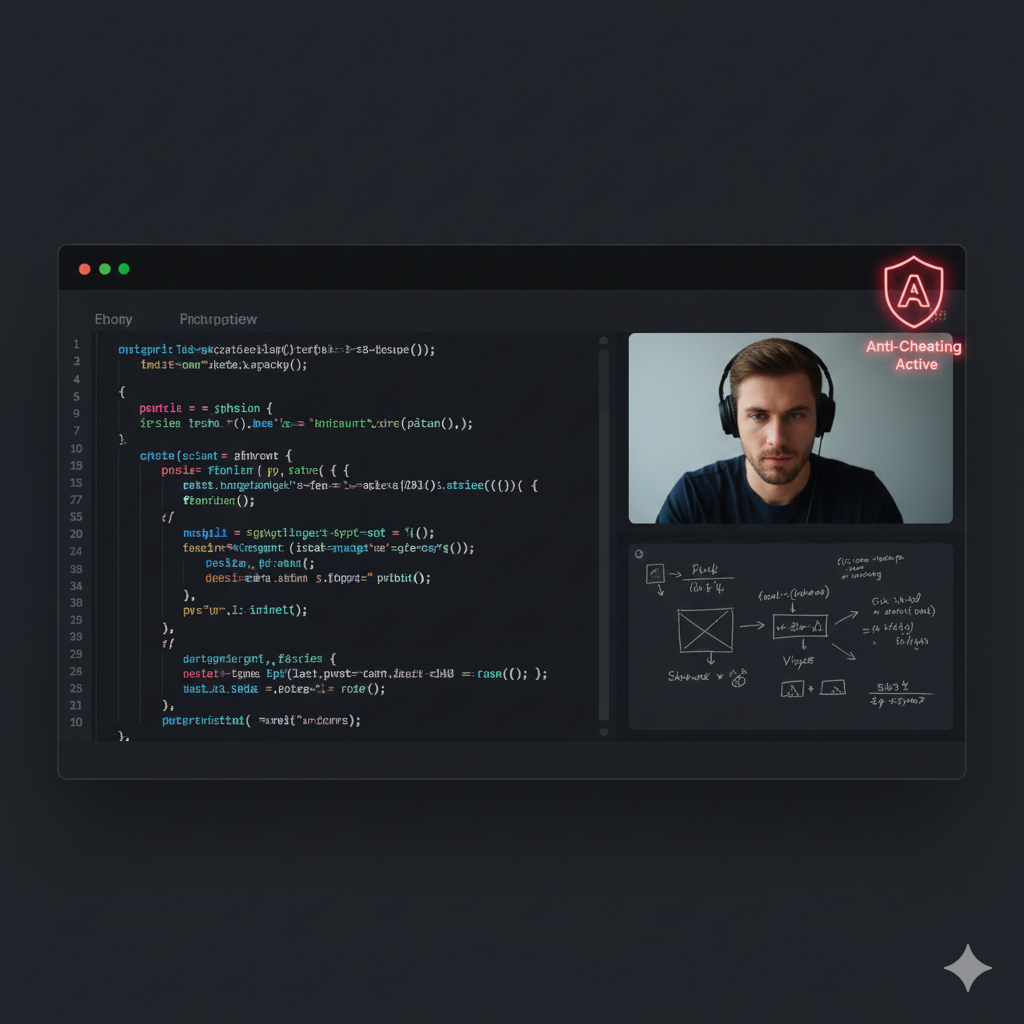
Balancing fraud prevention and candidate experience is the key to successful identity verification.Back to all posts
The Liveness Dilemma
Your latest hiring campaign just saw a 20% drop-off rate at the final verification stage. Candidates are being turned away, not because they are fraudulent, but due to overly strict liveness detection thresholds. In an age where every misstep can lead to lost talent and damaged reputation, calibrating your verification system is no longer optional; it's critical.
Why This Matters
Engineering leaders face the dual challenge of ensuring that candidates are who they say they are while maintaining a seamless experience. Inadequate liveness detection can lead to fraud, while excessive strictness can alienate legitimate candidates. This balancing act is crucial especially when considering the financial implications of a failed verification process—lost time, wasted resources, and potential reputational damage.
How to Implement It
Fine-tuning your liveness detection involves understanding your system's current performance metrics. Begin by assessing your current FAR and FRR rates. A FAR of 1% is generally acceptable, but if your FRR is climbing above 5%, you may need to reconsider your thresholds. To effectively implement threshold tuning, start by establishing baseline metrics for both FAR and FRR. Use real-world candidate data to adjust these thresholds; this ensures that your system remains responsive to actual usage patterns.
Key Takeaways
Optimize liveness detection thresholds to minimize false rejects. Regularly review and adjust your thresholds based on ongoing data analysis. Implement step-up checks only when risk signals are present. This proactive approach helps in maintaining accuracy while adapting to fraud tactics. If you notice an uptick in candidates being flagged during peak hiring seasons, consider temporarily adjusting your thresholds to accommodate higher volumes without compromising security.
Key takeaways
- Optimize liveness detection thresholds to minimize false rejects.
- Implement step-up checks only when risk signals are present.
- Regularly review and adjust thresholds based on real candidate data.
Implementation checklist
- Establish baseline metrics for FAR (False Acceptance Rate) and FRR (False Reject Rate).
- Use real-world candidate data to refine thresholds.
- Integrate step-up checks in response to risk signals.
Questions we hear from teams
- What is liveness detection and why is it important?
- Liveness detection ensures that the individual undergoing verification is physically present and not using a spoofing method, like a photo or video replay.
- How can I measure FAR and FRR effectively?
- Establish a baseline by monitoring your verification system's performance under various conditions and adjusting thresholds based on real-world candidate interactions.
- What should I do if my FRR is too high?
- Reassess your liveness detection thresholds and consider implementing step-up verification checks for flagged candidates.
Ready to secure your hiring pipeline?
Let IntegrityLens help you verify identity, stop proxy interviews, and standardize screening from first touch to final offer.
Watch IntegrityLens in action
See how IntegrityLens verifies identity, detects proxy interviewing, and standardizes screening with AI interviews and coding assessments.