The Interview Simulation That Saved Us From a $100K Hiring Mistake
How AI-powered simulations can transform candidate preparation and reduce costly hiring errors.
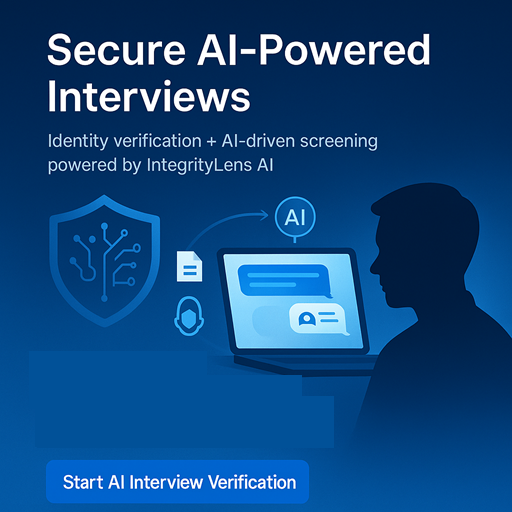
AI-powered interview simulations can prevent costly hiring mistakes by providing real-time feedback.Back to all posts
The Interview Simulation That Saved Us From a $100K Hiring Mistake
Imagine this: You’re preparing to hire a critical engineering role, and after a lengthy interview process, you extend an offer to a candidate who seems perfect. Fast forward a month, and that candidate's skills don’t match their resume. Your team is now facing a $100K setback due to hiring errors. This scenario is more common than you'd think, and it underscores the urgent need for an effective interview preparation system. AI-powered interview simulations can be the game-changer in preventing costly hiring mistakes. By providing real-time feedback on both communication effectiveness and technical accuracy, these tools can help candidates refine their skills before they step into the actual interview. No longer will you have to rely on gut feelings or outdated evaluation methods that may lead to poor hiring decisions.
Why This Matters
For engineering leaders, the stakes in hiring are incredibly high. A single misstep can lead to not just financial loss but also impact team morale and project timelines. AI simulations help bridge the gap between candidate potential and actual performance, ensuring that you are investing in individuals who meet the technical demands of your roles. As the tech landscape evolves, the ability to accurately assess candidate capabilities in real-time becomes crucial to maintaining a competitive edge.
How to Implement It
Select the Right AI Tool: Research and choose an AI interview platform that specializes in real-time feedback and has a proven track record in your industry.
Set Metrics for Evaluation: Define clear performance metrics such as communication clarity, technical knowledge accuracy, and overall presentation. This will help in assessing candidates effectively.
Conduct Pilot Sessions: Roll out the AI simulations with a small group of candidates to gather initial data and feedback. This will help you refine the process before a larger implementation.
Regularly Review and Adjust: After the initial deployment, regularly review the feedback and performance data to adjust the coaching algorithms and improve the candidate experience.
Key Takeaways
AI simulations provide immediate feedback on interview performance, allowing for quick adjustments. Personalized coaching enhances candidate readiness, ensuring they are well-prepared for specific challenges. Measurable outcomes improve hiring accuracy and reduce costs, saving your organization time and resources.
Related Resources
Key takeaways
- AI simulations provide immediate feedback on interview performance.
- Personalized coaching enhances candidate readiness.
- Measurable outcomes improve hiring accuracy and reduce costs.
Implementation checklist
- Establish clear metrics for interview performance evaluation.
- Integrate AI tools that offer real-time feedback during simulations.
- Conduct regular reviews to assess the effectiveness of simulations.
Questions we hear from teams
- What metrics should I use to evaluate interview performance?
- Consider metrics like communication clarity, technical accuracy, and overall presentation.
- How can I ensure the AI tool is effective?
- Conduct pilot sessions and regularly review performance data to refine the process.
- What are the benefits of using AI simulations for interviews?
- They provide immediate feedback, personalized coaching, and measurable outcomes that enhance hiring accuracy.
Ready to secure your hiring pipeline?
Let IntegrityLens help you verify identity, stop proxy interviews, and standardize screening from first touch to final offer.
Watch IntegrityLens in action
See how IntegrityLens verifies identity, detects proxy interviewing, and standardizes screening with AI interviews and coding assessments.