The Identity Crisis That Nearly Cost Us Everything
Building a fraud taxonomy and incident playbooks can drastically reduce MTTR for identity verification failures.

In the world of identity verification, every second counts—streamline your response or risk losing it all.Back to all posts
The Identity Crisis That Nearly Cost Us Everything
Imagine this: your identity verification system flags a candidate as fraudulent based on an algorithmic misjudgment. The candidate is legitimate but your system just cost you a top hire and reputational damage. This scenario is not hypothetical; organizations lose millions... The reality is that without a structured approach to fraud and incident response, teams can waste valuable time and resources. In fact, companies that fail to implement a robust fraud taxonomy see MTTR soar, often exceeding days or even weeks. The need for a systematic playbook i For engineering leaders, the implications of fraud extend beyond immediate financial losses. A single incident can trigger a cascade of trust issues, regulatory scrutiny, and operational inefficiencies. A well-defined fraud taxonomy helps teams quickly identify the nature of the Understanding the types of fraud—such as document spoofing and voice cloning—enables teams to prioritize their response efforts effectively, reducing exposure to compliance risks.
Why This Matters
For engineering leaders, the implications of fraud extend beyond immediate financial losses. A single incident can trigger a cascade of trust issues, regulatory scrutiny, and operational inefficiencies. A well-defined fraud taxonomy helps teams quickly identify the nature of the Understanding the types of fraud—such as document spoofing and voice cloning—enables teams to prioritize their response efforts effectively, reducing exposure to compliance risks. In fact, organizations with a structured response approach can reduce MTTR by up to 60%. This translates to significant cost savings and improved candidate experience.
How to Build a Fraud Taxonomy and Incident Playbooks
Establish a Fraud Taxonomy: Begin by categorizing fraud types relevant to your operations. Focus on signals like capture anomalies, voice mismatches, and mismatch-to-ID scenarios. This will provide clarity when incidents arise.
Create Incident Playbooks: Develop step-by-step guides for each fraud category. Include details on evidence handling, escalation paths, and team responsibilities to ensure swift action.
Implement Metrics: Use metrics like false acceptance rate (FAR) and false rejection rate (FRR) to evaluate the effectiveness of your identity verification processes. Regularly review these metrics to identify areas for improvement.
Train Your Team: Conduct regular training sessions on the fraud taxonomy and incident response procedures. Ensure that all team members understand their roles in the event of an incident.
Key Takeaways
A well-defined fraud taxonomy is critical for efficient incident management. Incident playbooks streamline responses, reducing MTTR significantly. Regular training and metrics evaluation foster a proactive fraud prevention culture.
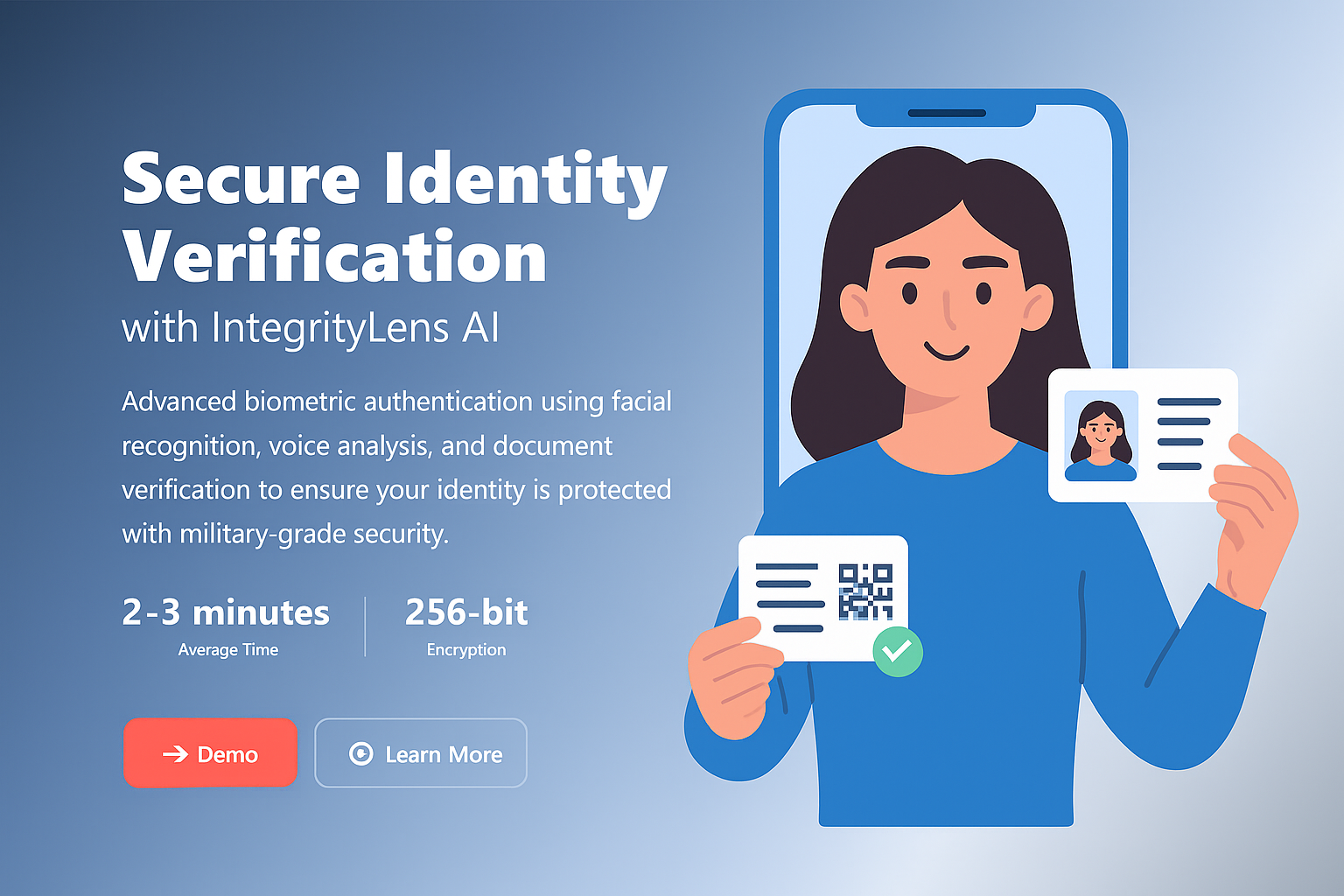
Example of Effective Implementation
Consider a tech company that faced repeated identity verification failures due to voice cloning attacks. By establishing a fraud taxonomy, they identified key signals—like voice mismatches—and created an incident response playbook tailored to these threats. As a result, their MTTR for resolving such incidents dropped from 72 hours to just 24, saving both time and resources while improving overall candidate experience.
FAQ Section
What is a fraud taxonomy? A fraud taxonomy is a structured categorization of different types of fraud risks relevant to an organization, helping teams identify and respond to incidents more effectively. How can incident playbooks improve MTTR? Incident playbooks provide step-by-step guidance for responding to specific types of fraud, streamlining the resolution process and reducing time spent on each incident.
Key takeaways
- Develop a fraud taxonomy to categorize risks effectively.
- Create incident playbooks to streamline responses and improve MTTR.
- Utilize concrete signals like voice mismatch and capture anomalies for better detection.
Implementation checklist
- Establish a fraud taxonomy with clear categories.
- Create step-by-step incident response playbooks.
- Implement metrics for evaluating capture anomalies and voice mismatches.
- Train teams on evidence handling and reviewer ergonomics.
Questions we hear from teams
- What is a fraud taxonomy?
- A fraud taxonomy is a structured categorization of different types of fraud risks relevant to an organization, helping teams identify and respond to incidents more effectively.
- How can incident playbooks improve MTTR?
- Incident playbooks provide step-by-step guidance for responding to specific types of fraud, streamlining the resolution process and reducing time spent on each incident.
Ready to secure your hiring pipeline?
Let IntegrityLens help you verify identity, stop proxy interviews, and standardize screening from first touch to final offer.
Watch IntegrityLens in action
See how IntegrityLens verifies identity, detects proxy interviewing, and standardizes screening with AI interviews and coding assessments.