The Fraudulent Candidate: How SLIs Can Save Your Hiring Process
Navigating the complexities of candidate verification requires precision in defining and measuring key performance indicators.
Effective SLIs and SLOs are your best defense against hiring fraud.Back to all posts
The Fraudulent Candidate: High Stakes in Hiring
Imagine this: your team has just invested hours in interviewing a candidate who seems perfect on paper. The final verification check reveals that they are a proxy candidate, costing your company time, resources, and potentially damaging your brand. The stakes are high—fraudulent In today’s competitive environment, understanding and defining your verification Service Level Indicators (SLIs) and Service Level Objectives (SLOs) is not just beneficial; it is essential. The right metrics can help you catch fraudulent attempts early, optimize your hiring
Why This Matters
The hiring landscape is evolving, and so are the tactics employed by fraudsters. With deepfakes, voice cloning, and other sophisticated methods, the integrity of your hiring process is constantly under threat. Engineering leaders must recognize that the cost of inaction is far By establishing clear SLIs and SLOs, you can anticipate drop-off rates and adjust your processes accordingly. Enhance your fraud detection capabilities through data-driven insights. Improve candidate experience by streamlining verification without compromising on security.
How to Implement It
Define Your SLIs: Identify key performance indicators such as completion rate, latency, review rate, and fraud catch rate. For example, aim for a completion rate of over 90% and a fraud catch rate of at least 98%.
Set SLOs: Determine acceptable thresholds for each SLI. For instance, set an SLO of under 5 seconds for latency and a review rate of 95% within 24 hours.
Integrate Telemetry Tools: Use monitoring tools to gather real-time data on verification processes. This will help you identify patterns and predict potential drop-off points.
Adjust Reviewer Staffing: Use telemetry data to inform staffing decisions. If fraud attempts spike, increase reviewer availability to maintain your SLOs.

Key Takeaways
Establishing verification SLIs and SLOs is critical for engineering leaders aiming to safeguard their hiring processes. Here are some key insights to keep in mind: - Always validate candidate identities with robust verification metrics. - Leverage telemetry data to make informed staffing and policy decisions. - Regularly review and adjust your SLIs and SLOs to adapt to emerging fraud tactics.
Related Resources
Key takeaways
- Establish clear SLIs and SLOs to monitor candidate verification processes.
- Integrate telemetry data to anticipate drop-off and fraud attempts.
- Adjust reviewer staffing based on real-time metrics.
Implementation checklist
- Define SLIs for completion rate and fraud catch rate.
- Set SLOs for acceptable latency and review rates.
- Implement telemetry tools to gather actionable insights.
Questions we hear from teams
- What are SLIs and SLOs?
- SLIs (Service Level Indicators) are metrics that measure the performance of a service, while SLOs (Service Level Objectives) are the targets for those metrics.
- How can I ensure my team understands these metrics?
- Regular training and updates on the importance of SLIs and SLOs can help your team stay aligned on verification goals.
- What tools can assist in gathering telemetry data?
- Tools such as Google Analytics, Grafana, and custom dashboards can help you track the necessary metrics effectively.
Ready to secure your hiring pipeline?
Let IntegrityLens help you verify identity, stop proxy interviews, and standardize screening from first touch to final offer.
Watch IntegrityLens in action
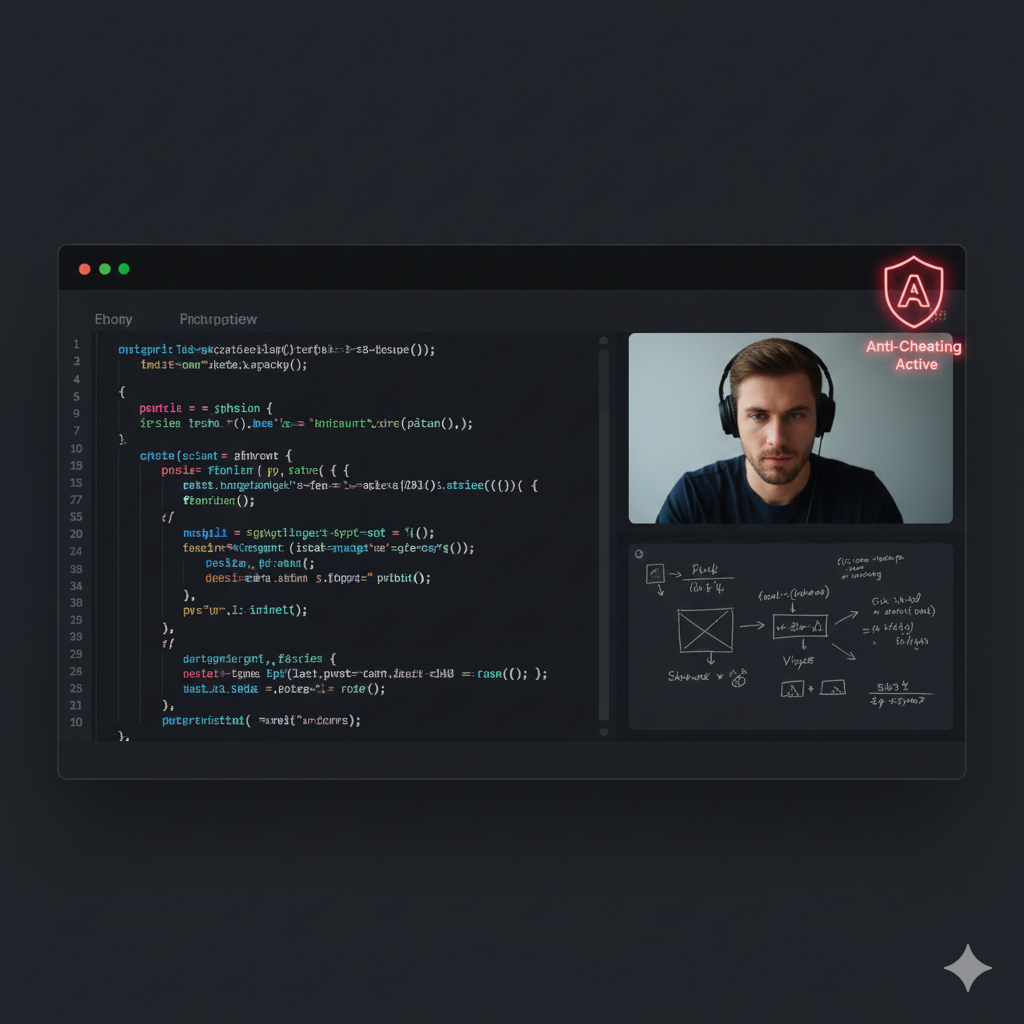
See how IntegrityLens verifies identity, detects proxy interviewing, and standardizes screening with AI interviews and coding assessments.