The Fraud Detection Tuning Playbook: Weekly Risk Reviews That Matter
Transform your fraud detection strategy with weekly risk reviews that adapt thresholds and step-up rules dynamically.
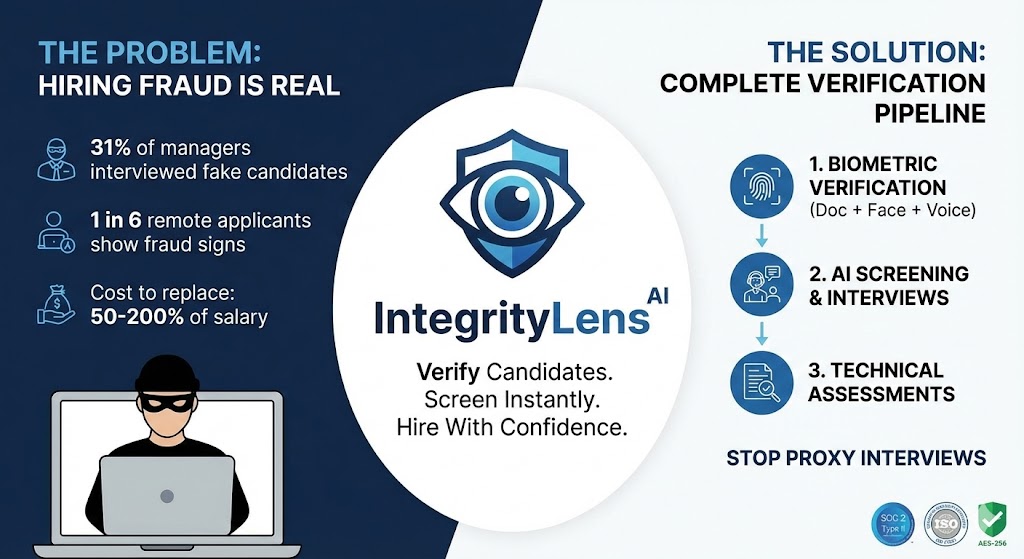
Weekly risk reviews can transform your fraud detection strategy from reactive to proactive.Back to all posts
The Fraud Detection Crisis
Imagine this: your team just launched a new identity verification system, and within weeks, it's already flagged 20% of applicants as fraudulent. However, after a deeper dive, you discover that 90% of those flags were false positives, resulting in lost time and frustrated candid. This scenario is more common than you think, and the stakes are high. Mismanaged fraud detection can not only cost your company thousands in wasted resources but also damage your brand reputation as candidates abandon your hiring process. To counteract this, a proactive approach.
Why This Matters
For engineering leaders, the implications of inadequate fraud detection are severe. A high false-positive rate can lead to: Increased candidate drop-off: Frustrated candidates may abandon the process, leading to lost talent. Resource wastage: Review teams become overwhelmed with unnecessary investigations, affecting overall productivity. Compliance risks: Failing to adequately verify candidates can expose your organization to legal scrutiny. Regular reviews can prevent these issues by ensuring your systems are finely tuned to detect actual fraud while minimizing false flags.
How to Implement It
Step 1: Establish a Weekly Review Cadence: Schedule a standing meeting with your engineering and compliance teams to review fraud detection metrics. Create a shared dashboard that highlights leading indicators such as submission drop-off rates and false positive percentages. Step 2: Identify Key Leading Indicators: Track submission drop-off rates to identify patterns where content may be lost in the process. Monitor telemetry data to identify spikes in fraud attempts or unusual patterns in applicant behavior. Step 3: Adjust Thresholds and Rules: Use the insights from your reviews to adjust thresholds dynamically. For instance, if you see an uptick in drop-offs correlated with a specific threshold, consider lowering it temporarily. Implement step-up rules that escalate the verification
Key Takeaways
Regularly scheduled risk reviews can significantly enhance your fraud detection capabilities. Focus on leading indicators to proactively manage drop-off rates and resource allocation. Utilize telemetry data to inform adjustments to your fraud detection thresholds, ensuring they are both effective and efficient.
Key takeaways
- Conduct weekly risk reviews to adapt fraud detection strategies.
- Focus on leading indicators to predict drop-off rates.
- Utilize telemetry to inform staffing and policy adjustments.
Implementation checklist
- Establish a weekly review cadence among your engineering team.
- Identify key leading indicators such as submission drop-off rates and false positives.
- Implement telemetry tools to gather real-time data on fraud attempts.
Questions we hear from teams
- What are leading indicators in fraud detection?
- Leading indicators are metrics that predict potential issues, such as drop-off rates or unusual application patterns.
- How often should we conduct risk reviews?
- Weekly reviews are recommended to ensure timely adjustments to fraud detection strategies.
- What tools can help with telemetry data collection?
- Consider using analytics platforms that integrate with your existing systems for real-time data insights.
Ready to secure your hiring pipeline?
Let IntegrityLens help you verify identity, stop proxy interviews, and standardize screening from first touch to final offer.
Watch IntegrityLens in action
See how IntegrityLens verifies identity, detects proxy interviewing, and standardizes screening with AI interviews and coding assessments.