The False Accepts That Cost Us Our Most Talented Candidates
Understanding the risks of false accepts and false rejects in hiring can save time and money.
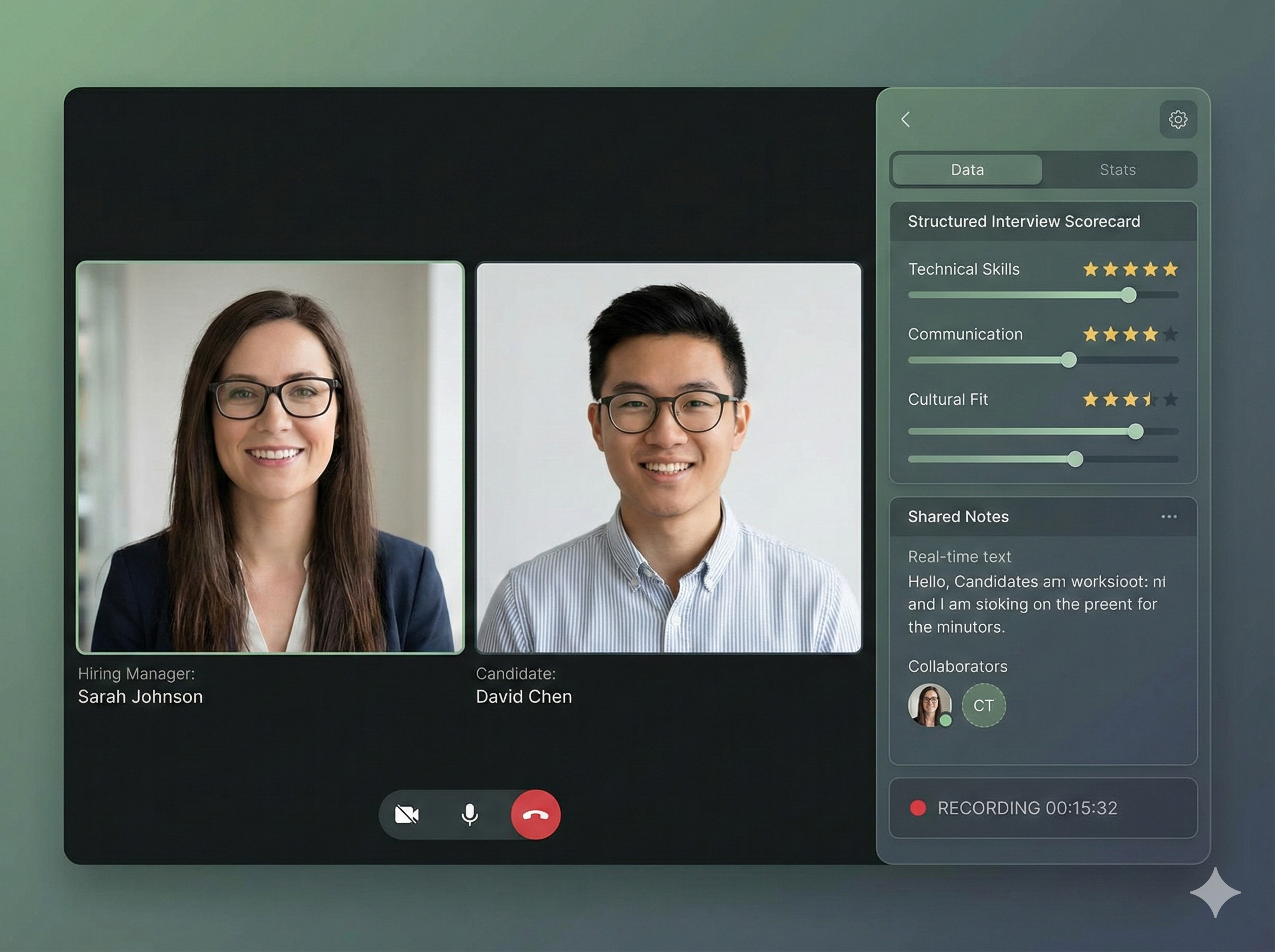
Effective hiring requires real-time insights; dashboards are your best ally.Back to all posts
The False Accepts That Cost Us Our Most Talented Candidates
When the stakes are high, even a small error in hiring can lead to significant consequences. Imagine this: you’ve just onboarded a candidate who passed all checks, only to discover weeks later that they fabricated their qualifications. The impact? A $100K loss in productivity, as well as reputational damage to your team. This isn't just a hypothetical situation; it's a risk that engineering leaders must confront in today’s competitive landscape. False accepts can lead to hiring unqualified candidates, while false rejects can cost you top talent. The challenge lies in balancing these two outcomes. Engineering teams must ensure their systems are robust enough to catch fraudulent attempts, yet flexible enough to not alienate potential hires. This is where actionable metrics come into play, allowing teams to visualize their hiring effectiveness and make informed decisions. To combat these issues, building dashboards that spotlight false accepts and false rejects is crucial.
Why This Matters
In the realm of recruitment, the cost of getting it wrong is staggering. A false accept can lead to wasted onboarding resources, lost productivity, and a tarnished brand reputation. Conversely, a false reject can mean losing out on top talent who could drive your team forward. Understanding the dynamics between these two metrics is critical. They are leading indicators that can predict not just drop-off rates but also potential fraud attempts. Engineering leaders must prioritize these insights to maintain a competitive edge. By focusing on these metrics, organizations can create a more efficient hiring process, reduce costs, and ultimately improve the quality of hires.
How to Implement It
Identify Key Metrics: Start by determining which metrics are most relevant to your organization. This will likely include FAR and FRR, as well as time-to-hire and candidate satisfaction scores.
Set Up Telemetry: Implement tools that allow you to capture data on every candidate interaction, from document submissions to verification results. This data will be the backbone of your dashboards.
Design Your Dashboard: Create a visual representation of your metrics that allows for quick insights. Use graphs and charts to showcase trends over time, making it easy to spot potential issues before they escalate.
Regular Review Cycles: Establish a cadence for reviewing these dashboards with your team. Use these sessions to discuss findings and make necessary adjustments to your hiring processes.
Key Takeaways
Monitor leading indicators to predict drop-off and fraud attempts. This proactive approach can save time and resources. Create dashboards to visualize leakage and friction in the hiring process. A clear visual representation helps in quick decision-making. Adjust staffing and policies based on real-time telemetry. This ensures your hiring process remains agile and effective.
Key takeaways
- Monitor leading indicators to predict drop-off and fraud attempts.
- Create dashboards to visualize leakage and friction in the hiring process.
- Adjust staffing and policies based on real-time telemetry.
Implementation checklist
- Identify key metrics for false accepts and false rejects.
- Implement telemetry to capture data on candidate interactions.
- Design dashboards that visualize these metrics for quick insights.
Questions we hear from teams
- What metrics should I focus on for hiring dashboards?
- Key metrics include false acceptance rate (FAR), false rejection rate (FRR), time-to-hire, and candidate satisfaction scores.
- How can telemetry improve my hiring process?
- Telemetry captures data on candidate interactions, enabling you to make informed decisions and adjust processes based on real-time insights.
- What tools can I use to build hiring dashboards?
- Consider using BI tools like Tableau or Power BI, alongside your ATS or HRIS, to visualize and analyze your hiring metrics.
Ready to secure your hiring pipeline?
Let IntegrityLens help you verify identity, stop proxy interviews, and standardize screening from first touch to final offer.
Watch IntegrityLens in action
See how IntegrityLens verifies identity, detects proxy interviewing, and standardizes screening with AI interviews and coding assessments.