The Deepfake That Almost Undermined Our Hiring Process
Deploying verification at the edge can mitigate risks from advanced impersonation techniques.
Deploying verification at the edge mitigates the risks of deepfake technology.Back to all posts
The Deepfake That Almost Undermined Our Hiring Process
Imagine a candidate confidently presenting their credentials during the final interview, only to discover later that they were a deepfake. This scenario isn't fictional; it's a reality that many organizations face today. With the rapid advancement of AI technology, deepfakes have become increasingly sophisticated, posing a direct threat to the integrity of your hiring process. A single successful impersonation could lead to not just financial losses but also reputational damage, eroding trust in your hiring system. The stakes are high. As organizations strive for efficiency and speed in hiring, the potential for fraud increases. According to recent studies, the cost of hiring a single fraudulent candidate can exceed $100,000 when factoring in training, onboarding, and lost productivity.
Why This Matters
The implications of deepfake technology extend beyond simple impersonation. They represent a broader risk to organizational security and compliance. For engineering leaders, the challenge is not just identifying these threats but also implementing robust systems that can adapt to evolving technologies. As hiring becomes more digital, ensuring the authenticity of candidates is paramount. By adopting edge deployment strategies, organizations can significantly reduce latency in verification processes, which is crucial for maintaining a seamless candidate experience. This approach not only safeguards against fraud but also enhances the overall efficiency of the hiring pipeline.
How to Implement It
Step 1: Evaluate your current ATS for integration capabilities. Ensure it can support edge computing and high-privacy capture methods. Step 2: Set up edge computing infrastructure that allows for real-time data capture and processing. Use frameworks that support low-latency operations, such as AWS Greengrass or Azure IoT Edge. Step 3: Implement rollback strategies and kill switches. This ensures that if a verification service fails, you can quickly revert to a stable state without disrupting the candidate experience. Step 4: Consider canary rollouts for new features. Test them with a small subset of users before a full deployment to minimize risk and gather feedback.
Key Takeaways
Implement edge deployment for real-time verification to reduce latency and enhance privacy. Utilize rollback mechanisms to quickly mitigate risks associated with verification failures. Adopt canary rollouts to safely introduce new features and gather insights before a full-scale launch.
Key takeaways
- Implement edge deployment for real-time verification.
- Utilize rollback mechanisms to mitigate risks.
- Adopt canary rollouts to test new features safely.
Implementation checklist
- Evaluate your current ATS for integration capabilities.
- Set up edge computing for data capture.
- Implement rollback strategies and kill switches.
Questions we hear from teams
- What are deepfakes and how do they affect hiring processes?
- Deepfakes are AI-generated synthetic media that can convincingly impersonate individuals. In hiring, they pose a risk as candidates can use them to misrepresent their qualifications or identity.
- How can edge deployment improve candidate verification?
- Edge deployment reduces latency and enhances privacy by processing data closer to where it's generated, leading to faster verification and reduced compliance risks.
Ready to secure your hiring pipeline?
Let IntegrityLens help you verify identity, stop proxy interviews, and standardize screening from first touch to final offer.
Watch IntegrityLens in action
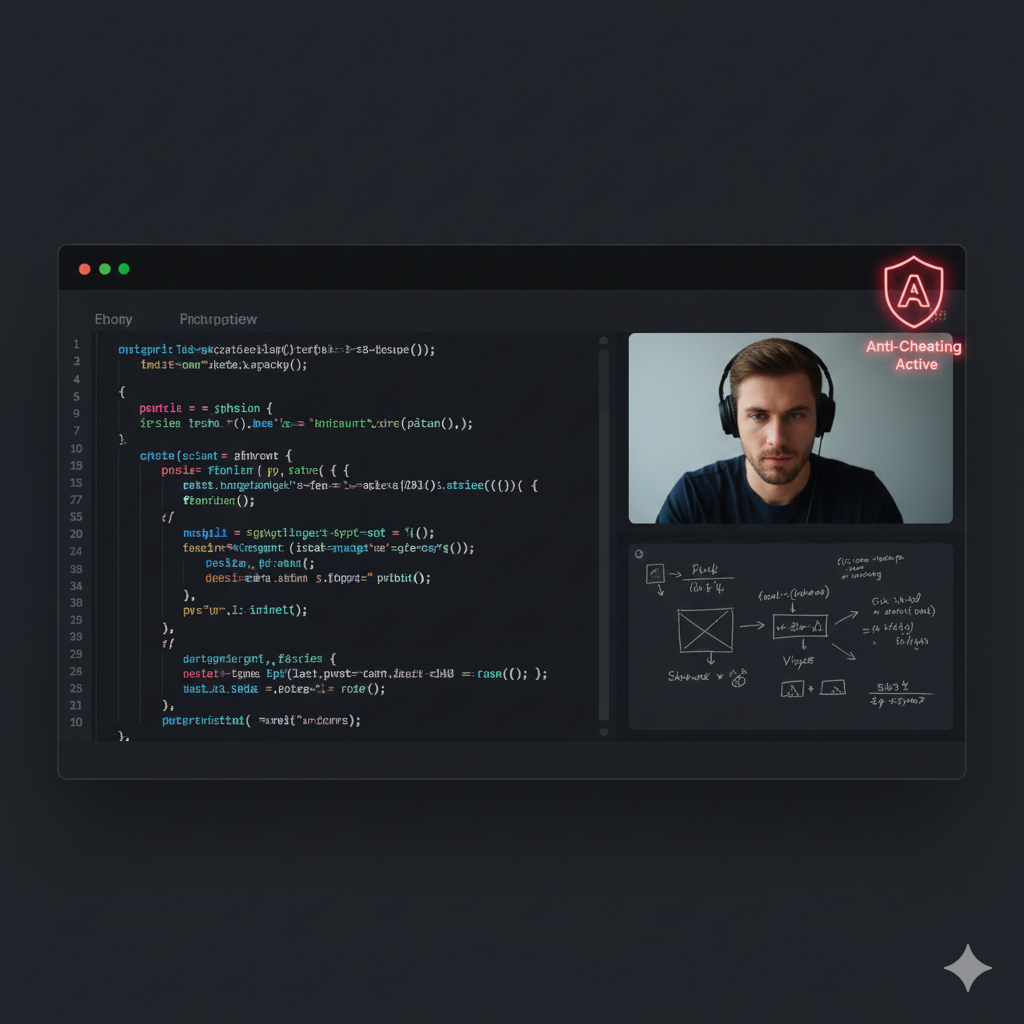
See how IntegrityLens verifies identity, detects proxy interviewing, and standardizes screening with AI interviews and coding assessments.