The Consent Dilemma: How to Capture Candidate Data Without Losing Trust
Engineering leaders must design candidate capture flows that prioritize consent while ensuring efficiency. Here’s how to balance speed and trust.
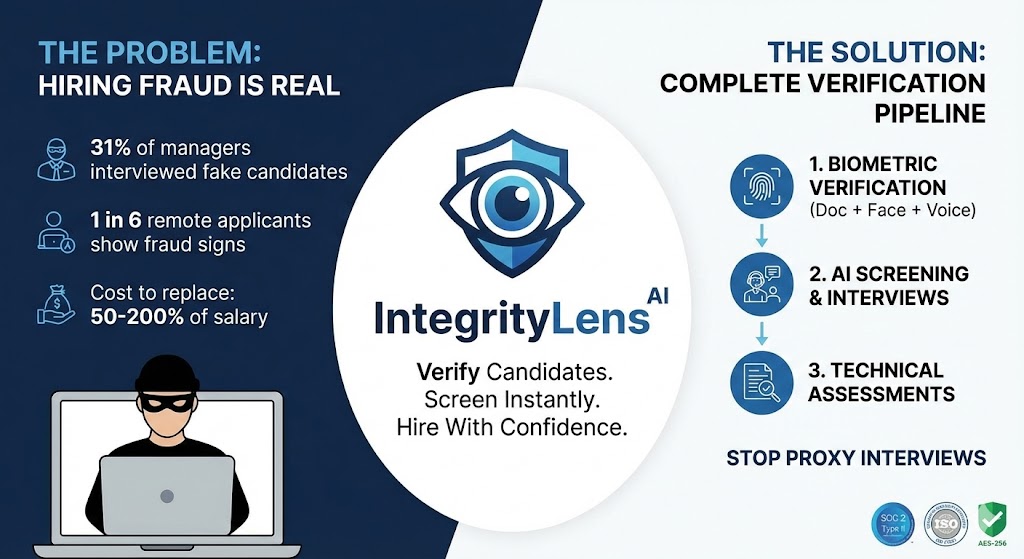
Designing candidate capture flows with transparency builds trust and accelerates hiring.Back to all posts
The Consent Dilemma
In the competitive landscape of hiring, a single misstep can lead to a candidate walking away, costing your organization talent and time. Imagine this: your candidate experience flow is so convoluted that potential hires abandon it midway. This isn't just a minor inconvenience; it's a direct hit to your brand reputation and hiring efficiency. Engineering leaders must prioritize creating consent-first capture flows that not only explain what data is collected but also why it's necessary—within a brief 20-second window.
Why This Matters
The stakes are high. A poor candidate experience can result in a 20% drop in application completion rates and significantly lower candidate satisfaction (CSAT). In a world where the best talent is in high demand, creating a seamless, transparent data capture process is essential. Building trust with candidates is not just about compliance; it's about fostering a positive relationship from the outset. Candidates who feel informed and respected are more likely to engage with your organization and recommend it to others.
How to Implement It
To implement effective consent-first capture flows, follow these actionable steps: First, design micro-interactions that explain what information is being collected. Use simple, straightforward language and visuals to clarify the purpose of data collection. For example, instead of saying "We collect your email for communication purposes," try "We collect your email to keep you updated on your application status." This approach builds trust and enhances user experience. Next, measure key metrics such as conversion rates and completion times. For instance, aim for a conversion rate of at least 75% and a completion time of under 30 seconds for your data capture flows. Use analytics tools to monitor these metrics in real time, allowing you to make necessary adjustments promptly. Regularly solicit feedback from candidates to gauge their satisfaction and identify areas for improvement.
Key Takeaways
Prioritize clear communication about data collection to build trust. This includes using simple language and visual aids that explain the process. Optimize capture flows to improve completion rates and CSAT. Aim for a completion time of under 30 seconds and a conversion rate of at least 75%. Implement recovery paths for common data capture failures to reduce drop-off rates and enhance the overall candidate experience.
Key takeaways
- Prioritize clear communication about data collection to build trust.
- Optimize capture flows to improve completion rates and CSAT.
- Implement recovery paths for common data capture failures.
Implementation checklist
- Design micro-interactions that explain data collection in under 20 seconds.
- Measure conversion and completion times regularly.
- Solicit candidate feedback to refine capture flows.
Questions we hear from teams
- How can I measure the effectiveness of my consent-first capture flows?
- Use analytics tools to track conversion rates and completion times. Regularly solicit feedback from candidates to improve the process.
- What are micro-interactions, and why are they important?
- Micro-interactions are small design elements that guide users through tasks. They are crucial for enhancing user experience and building trust.
- How do I handle data capture failures?
- Create recovery paths that provide clear instructions for candidates if they encounter issues, such as upload failures.
Ready to secure your hiring pipeline?
Let IntegrityLens help you verify identity, stop proxy interviews, and standardize screening from first touch to final offer.
Watch IntegrityLens in action
See how IntegrityLens verifies identity, detects proxy interviewing, and standardizes screening with AI interviews and coding assessments.