The Code that Crashed Our Hiring Process: Adapting Technical Interviews for Precision
Engineering leaders face the challenge of ensuring technical interviews accurately assess candidates without compromising on security or quality.
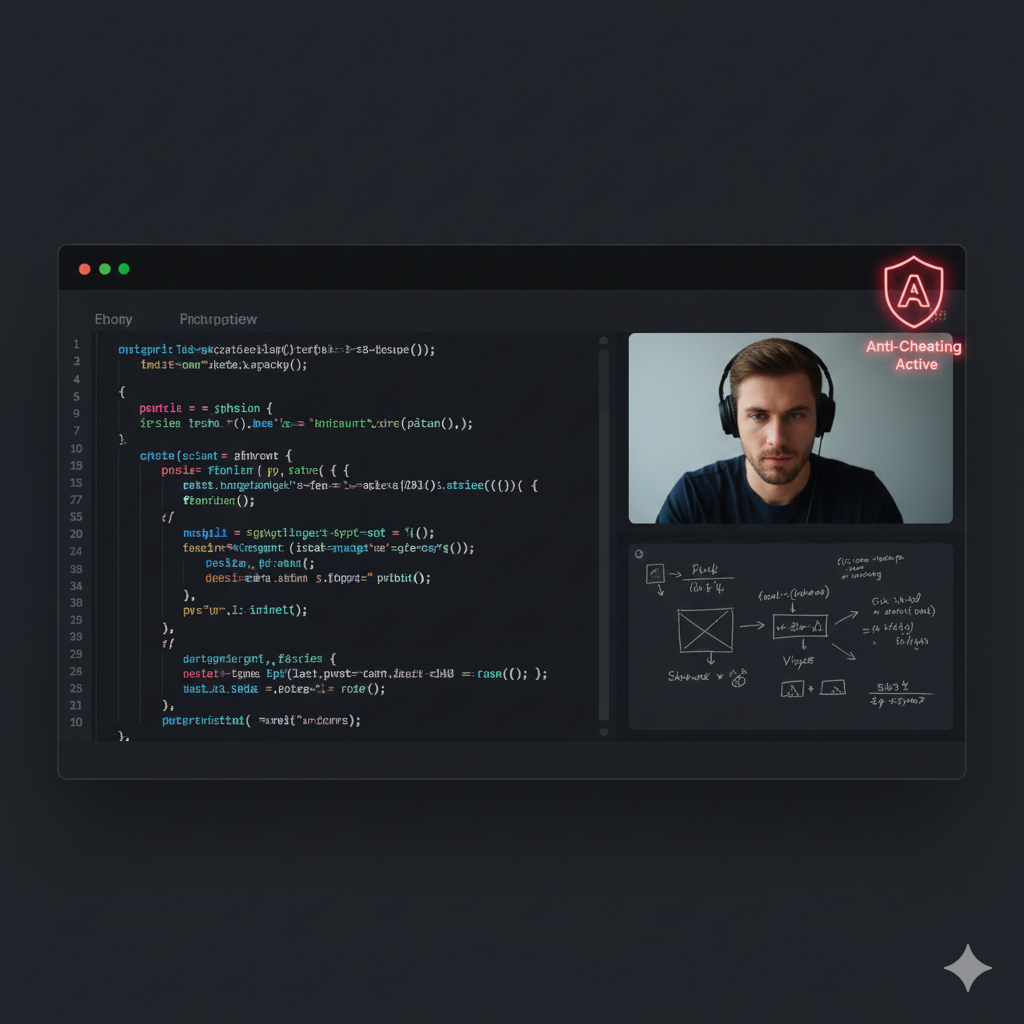
Precision in hiring can make or break your project success.Back to all posts
The Code that Crashed Our Hiring Process
One misstep in assessing a candidate's capabilities can lead to hiring someone who is fundamentally unqualified. Imagine an engineer who, during peak season, introduces a critical bug due to insufficient vetting. The cost? A staggering $100K in downtime and lost revenue. This is, As engineering leaders, it’s crucial to understand that traditional interview methods often fall short. They may inadvertently reward candidates who are skilled at taking tests rather than those who can effectively contribute to a team. Adaptive interview templates can help. To implement adaptive interview templates effectively, start by defining clear metrics for success. This includes reproducible scoring methods that minimize bias and ensure that all candidates are evaluated fairly.
Why This Matters
Hiring is not just about filling a position; it’s about ensuring the right fit for your team and organization. Poor hiring decisions can lead to project delays, increased costs, and even damage to company reputation. In the engineering field, precision is paramount. An engineer who lacks the necessary skills can introduce bugs that cost time and money, not to mention potential reputational damage. Therefore, implementing a robust interview process that accurately assesses candidates is vital.

How to Implement It
Step 1: Define your scoring rubric. Ensure it aligns with the job requirements, focusing on both technical and soft skills. This multi-faceted approach will give you a complete view of the candidate. Step 2: Integrate anonymization techniques for candidate responses to eliminate bias. This ensures that every candidate is evaluated based on their skills and not personal attributes. Step 3: Establish a feedback loop for continuous improvement. Encourage interviewers to review and adjust their scoring criteria based on real-world outcomes.
Key Takeaways
Implement adaptive interview templates to enhance candidate assessment. This allows for a more accurate evaluation of skills without leaking answers. Focus on reproducible scoring to eliminate bias. A well-defined rubric will help ensure fair evaluations across the board. Develop clear dispute resolution workflows for candidate evaluations. This maintains integrity in the hiring process and addresses any disagreements effectively.
Key takeaways
- Implement adaptive interview templates to enhance candidate assessment.
- Focus on reproducible scoring to eliminate bias.
- Develop clear dispute resolution workflows for candidate evaluations.
Implementation checklist
- Set up a scoring rubric that aligns with job requirements.
- Use anonymized candidate responses for fair evaluations.
- Establish a feedback loop for continuous improvement.
Questions we hear from teams
- How can I ensure my interview process is fair?
- Implement anonymization techniques and reproducible scoring methods to eliminate bias.
- What metrics should I track for hiring precision?
- Focus on completion rates, offer acceptance rates, and candidate feedback to gauge the effectiveness of your hiring process.
- How can I handle disputes in candidate evaluations?
- Establish clear workflows for dispute resolution, including panel reviews and feedback mechanisms.
Ready to secure your hiring pipeline?
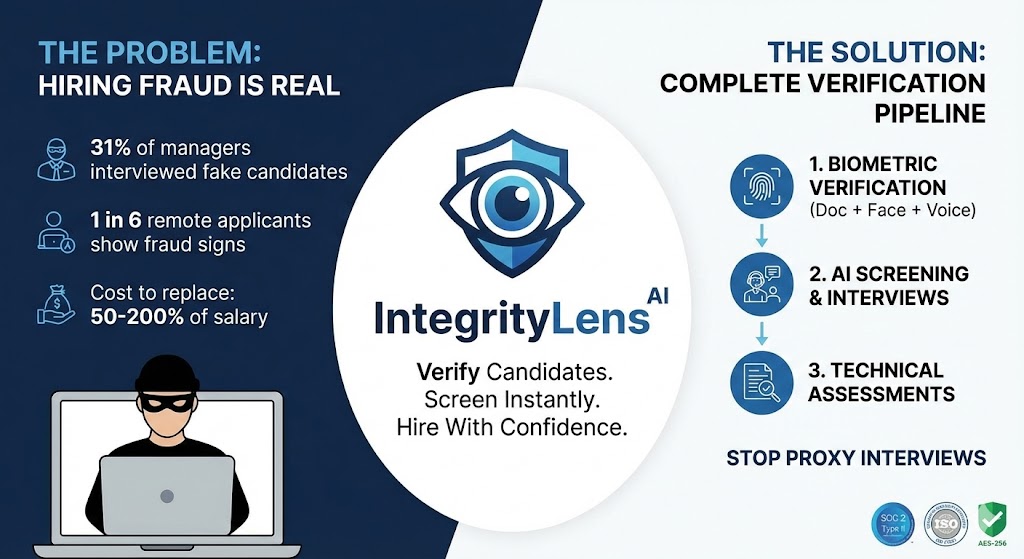
Let IntegrityLens help you verify identity, stop proxy interviews, and standardize screening from first touch to final offer.
Watch IntegrityLens in action
See how IntegrityLens verifies identity, detects proxy interviewing, and standardizes screening with AI interviews and coding assessments.